
Introductory guide to fertility tests
Your Free Introductory Guide to Fertility Tests It may take longer than you expect to become pregnant. If you have been trying for a year and are concerned that “nothing seems to be happening”, then speak to your GP who may refer you for some fertility tests. We created this FREE introductory guide, to help you to […]
What is anti-müllerian hormone (AMH)?
AMH or Anti-Müllerian Hormone, is a natural hormone produced in women’s ovaries, by the follicles (the structures that contain the eggs). AMH test is used to assess a woman’s ovarian reserve (“OR”), how many viable eggs a woman has left in her ovaries. AMH test can be done at any time during the menstrual cycle. The reference […]
What is a normal follicle-stimulating hormone (FSH) level for IVF?
Follicle-stimulating hormone (FSH) is an important hormone made in your pituitary gland. The FSH test checks if your pituitary gland produces too much or too little FSH, or if you have any potential issues with your ovaries or testicles. For women, FSH levels naturally fluctuate throughout the menstrual cycle, so the test is normally undertaken […]
Is egg collection painful?

Our research shows that most women did not find egg collection painful, as a sedative is administered during the procedure. However, common side-effects you may experience following the procedure include bloating, constipation, abdominal cramps and/or light vaginal bleeding. Over-the-counter painkillers can be taken to ease any discomfort you experience after egg collection. Read our guide […]
What are short and long protocols in IVF?

A number of methods (also called “protocols”) can be used to stimulate a woman’s ovaries to produce eggs during IVF. The most common methods are long protocol and short protocol. Each approach involves scans to monitor how the follicles are developing for as many healthy eggs to be collected as possible. Your doctor will decide […]
How can I prepare for semen analysis?
You will need to refrain from any sexual activity for at least three days, but not more than five to seven days before your sample is collected. This means no sexual intercourse or no ejaculation of any kind, including masturbation. Longer or shorter periods of abstinence may result in a lower sperm count or decreased […]
Am I eligible for IVF funding if I already have a child?
This is a good question with a complicated answer. The short answer is that whether the NHS will fund your IVF depends on the local eligibility criteria. You may have heard the term “postcode lottery” when it comes to accessing IVF in the UK, as the eligibility criteria depends on where you live. Scotland and Northern […]
Male fertility – be like Robbie Williams!

I’ve always liked sharing the same birthday as Robbie Williams – although my wife Jen often says that’s where the similarities end. However, a few years ago I discovered that Robbie and I had something else in common; we both suffered from low testosterone levels. My discovery came about as Jen and I had struggled […]
What vitamins and supplements should I take before IVF?
Eating a healthy and balanced diet will help you get most of the vitamins and minerals that you need for a healthy pregnancy. However, women are recommended to take 400mcg folic acid tablets every day for 3 months before pregnancy and until 12 weeks of pregnancy. Folic acid is important for the healthy development of […]
Menopause terms explained
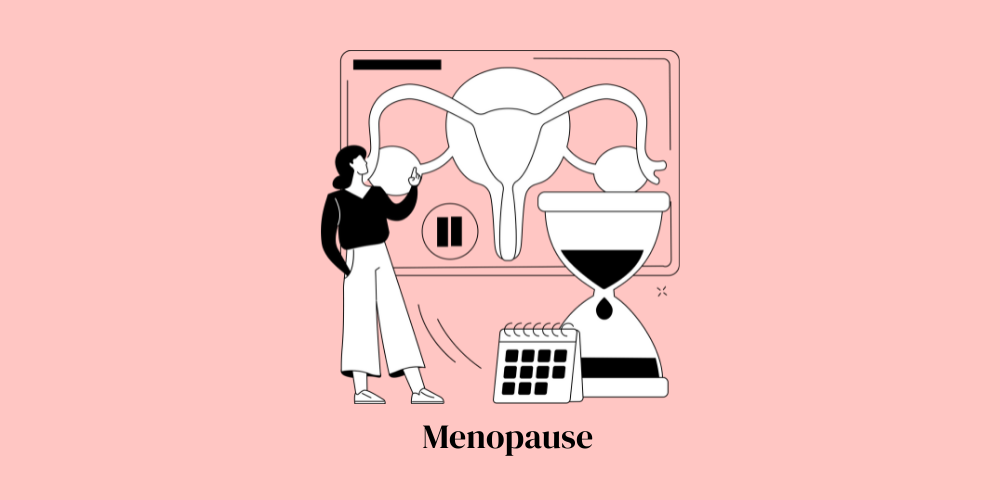
Menopause This is when a person stops having periods. To have reached menopause, periods must have stopped for 12 months. The average age for menopause is 51. Early menopause This is when a person’s period stops before the age of 45. It can happen for a variety of reasons: Naturally as the ovaries stop making […]